
Written by
Jelica
Published on
April 9, 2026
Read time
4
min
Category
Design
Do contractors need landscape designs? Learn how landscape planning improves project efficiency, client satisfaction, and construction outcomes.
A well-built home or commercial space doesn’t end at the walls. The exterior environment plays a critical role in how a project is perceived, used, and valued. For contractors, this raises an important question: is landscape design actually necessary, or is it just an optional upgrade?
The short answer is yes—contractors benefit significantly from landscape designs. But the real value goes beyond aesthetics. It impacts planning accuracy, client satisfaction, project efficiency, and long-term property value.
This article breaks down exactly why landscape design matters for contractors, when it’s essential, and how it can improve both project outcomes and business growth.
Landscape design is not just about plants and visual appeal. It’s a structured planning process that defines how outdoor spaces function, drain, connect, and complement the built structure.
For contractors, having a clear landscape design means:
Without a design, outdoor elements often become an afterthought—leading to inefficiencies, rework, and missed opportunities.
Not every project requires a full-scale landscape plan, but many do benefit from one. Here are the most common scenarios:
For new builds, landscape design should be integrated early. It ensures:
Waiting until the end can create conflicts with utilities, slopes, and hardscape placement.
Clients investing in premium homes expect a complete vision—not just a structure.
Landscape design helps contractors:
In many areas, landscape plans are required for approvals.
A professional design ensures:
For commercial spaces, landscape design directly impacts usability and brand perception.
It helps define:
A detailed landscape design eliminates guesswork. Contractors can:
One of the biggest challenges in construction is aligning expectations.
With landscape design and 3D visualization:
Well-designed outdoor spaces significantly increase property value.
Contractors who incorporate landscape design can:
Without a design, issues like poor drainage, uneven grading, or awkward layouts often appear after construction begins.
A proper plan helps prevent:
A professional landscape design typically covers both functional and visual elements.
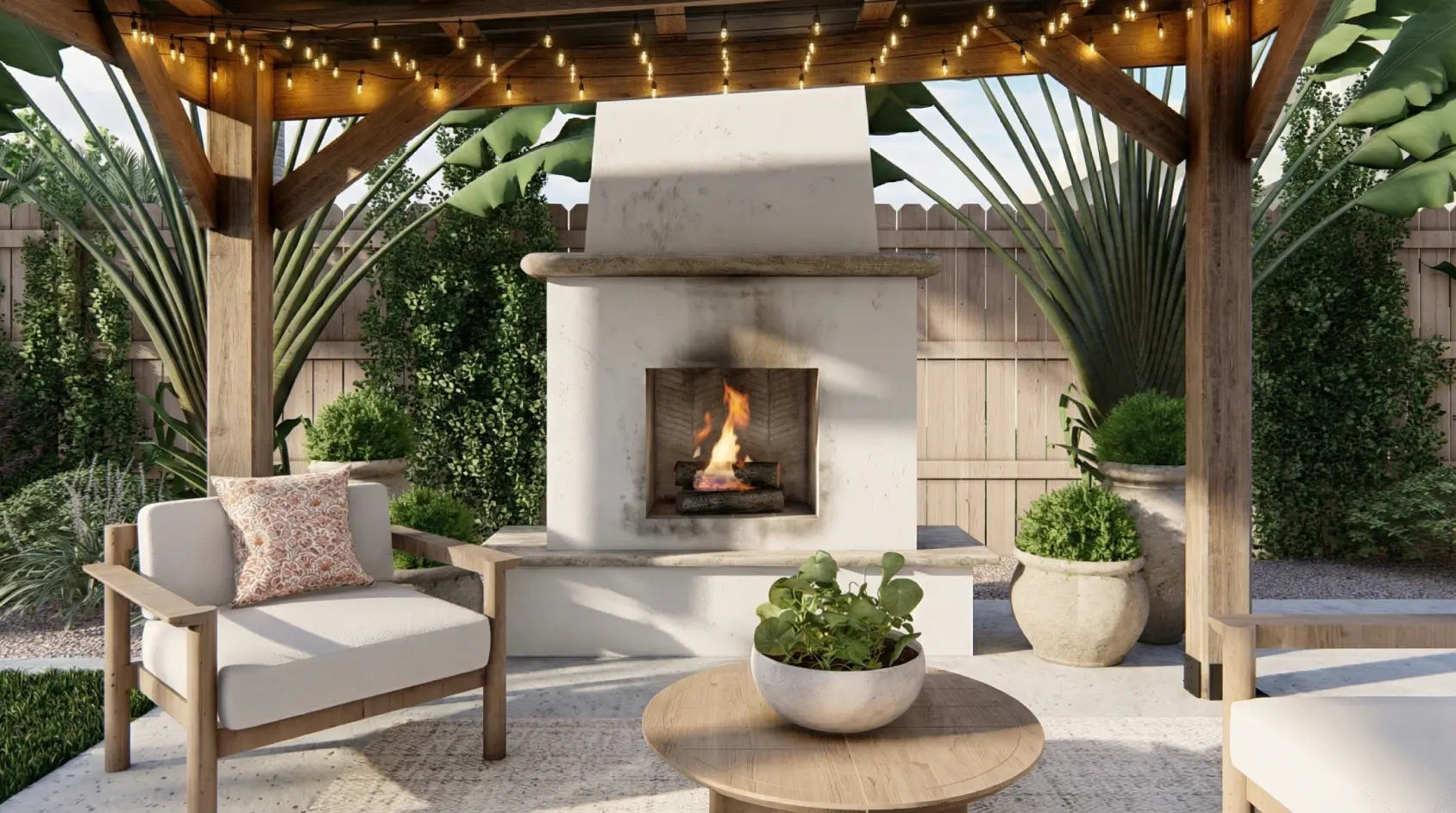
Modern landscape design often includes 3D renderings, which are especially valuable for contractors.
They allow:
This is particularly useful when presenting complex outdoor layouts or high-end designs.
Technically, yes—but it often leads to problems.
Skipping landscape design may result in:
In today’s competitive market, clients expect a complete, well-thought-out result. Contractors who skip this step risk falling behind.
Some contractors attempt to plan landscaping themselves. While this can work for simple projects, it has limitations:
Partnering with a professional design team provides:
This allows contractors to focus on execution while ensuring the design is handled correctly.
Costs vary depending on project size and complexity, but for contractors, it should be viewed as an investment rather than an expense.
Factors that influence cost:
In most cases, the value added to the project outweighs the initial design cost.
In many municipalities and HOA-regulated areas, yes. Landscape plans are often required for approval and compliance.
Not always, but even basic designs can improve efficiency and prevent layout issues, especially for grading and drainage.
It enhances presentations, improves clarity, and shows a higher level of professionalism—making it easier to secure projects.
Landscape design is no longer just an optional add-on—it’s a strategic tool that helps contractors deliver better results, avoid costly mistakes, and stand out in a competitive market.
From planning and visualization to execution and client satisfaction, the benefits are clear. Contractors who integrate professional landscape design into their workflow are better positioned to deliver complete, high-quality projects.
For those looking to streamline their process and elevate their project outcomes, Yelicca provides expert landscape design, drafting, and 3D rendering services tailored to support contractors at every stage.

The fastest architectural design team, delivering creativity at the speed of innovation 🚀
.jpg)
.jpeg)